

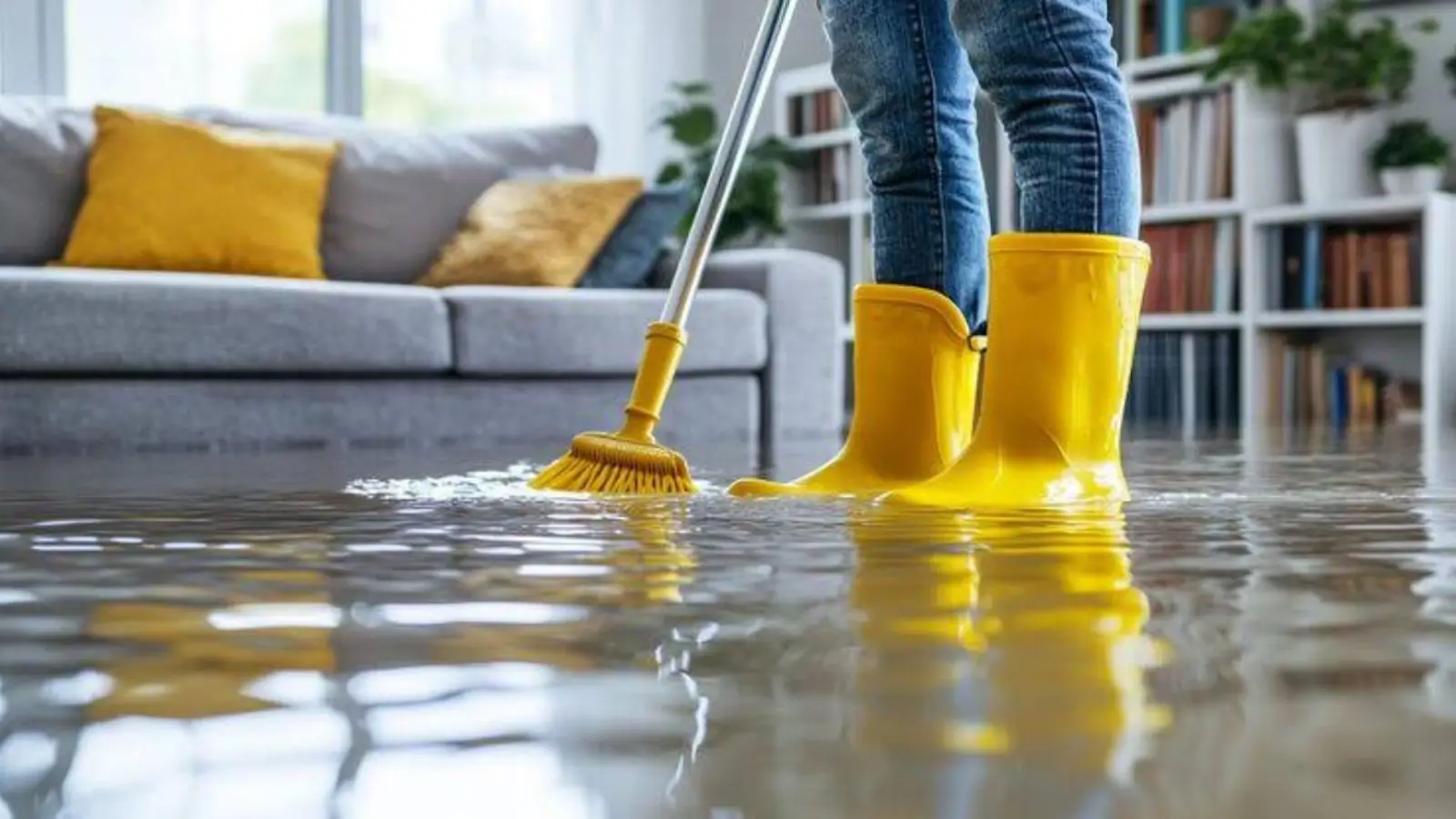
Water damage cleanup in La Verne, CA: what it covers
Water damage cleanup in La Verne, CA is the hands-on work that follows a leak or flood: hauling out soaked material, cleaning and sanitizing what stays, removing odor and sorting your belongings. If the mess is fresh, call now. The 24/7 dispatch line takes calls any hour, and a crew can be sent the same day depending on conditions.
While you wait, close the main valve, stay out of any water that may carry sewage, and lift valuables off wet floors. Skip the shop vacuum on standing water, and do not run household fans across contaminated areas, since that spreads what is in the water.
Cleanup is not the same as drying. Drying removes moisture from the structure, which is the job of water mitigation. Cleanup removes what the water left behind.
The first 48 hours after water damage
The first two days decide how much can be saved. Porous material that stays wet starts to smell, stain and break down quickly, and any mold growth begins on materials that stay damp. The clock matters most for carpet pad, drywall bottoms, insulation and anything with paper or fiber in it.
In that window, your priorities are safety, stopping the source, getting photos for your insurer, and getting a crew started on removal and drying. Keep a short log of what you did and when. If water has been sitting on carpet or in a wall for more than a day or two, expect more material to be removed than if the water had been caught early.
Do not throw out damaged belongings before they are photographed and listed. California's Department of Insurance advises waiting until the adjuster has had a chance to inspect.
Signs you need cleanup, not just drying
Some wet jobs need only drying. These signs mean material has to come out and surfaces need cleaning.
Look for these
- Water came from a toilet, drain, sewer line or outside ground source
- Carpet pad or drywall has been wet for more than a day or two
- A sour, sewage or earthy smell that clings to the area
- Visible dirt, silt or debris left on the floor after water recedes
- Swollen baseboards, crumbling drywall or insulation that holds water
- Stained or soaked belongings that cannot simply be wiped off
Debris and wet material removal
Removal is the part nobody wants to do alone. Crews cut out soaked carpet pad, wet drywall, damaged insulation and ruined trim, bag it and carry it out through the cleanest route they can, so the rest of the home is not tracked with debris.
Drywall is usually cut above the wet line, often a foot or two beyond what you can see, because moisture climbs. A moisture meter confirms where wet ends. Removing too little leaves wet material behind the paint. Removing too much adds rebuild cost, so the readings guide the cut.
Heavy items such as furniture and appliances are moved or blocked up to protect them and to reach the floor underneath.
Sanitizing after contaminated water
Category 2 and Category 3 water, such as washing machine discharge, sewage or ground water, carries bacteria that ordinary cleaning does not handle. After contaminated material is removed, hard surfaces and framing are cleaned with detergent to remove soil, then treated with an antimicrobial product used according to its label.
Carpet pad that took contaminated water is normally discarded. Porous items like upholstered furniture and mattresses that sat in Category 3 water are often not worth saving. Your crew explains which items can be cleaned and which cannot, and you decide with your insurer's guidance.
Ask whether the company's crews work to the ANSI/IICRC S500 water damage standard, which sets out how water categories are handled.
Sewage or electrical risk: stay out first
If water touches outlets, appliances or the panel, do not enter. Call your electric utility or 911 for any electrical or gas risk before you call us. If a toilet, drain or sewer line backed up, keep people and pets out, avoid contact with the water and wash hands well after any exposure. Then call our 24/7 line and we will send a crew once the area is safe.
Deodorizing a home after water damage
Odor after a leak usually has a cause you can remove: damp pad, wet drywall, soaked insulation, or residue on a surface. Masking the smell with sprays does not last, because the source is still there.
Crews remove the source first, then clean, then use air scrubbers with filters or hydroxyl or ozone equipment where it makes sense. Ozone treatment is done with people and pets out of the building. Fogging with a deodorizing product can follow on cleaned surfaces.
A lingering smell after cleanup often means moisture is still present somewhere. Moisture readings are taken again before a job is called finished.
Contents: what to save, clean or let go
Belongings are sorted into three piles: items that can be cleaned and kept, items that can be restored with specialist cleaning, and items that cannot be saved. Photograph every item before it is moved or discarded, and write down roughly what it cost and how old it was.
Hard goods like glass, metal and some plastics clean up well. Paper, photographs and electronics need prompt attention and a candid answer about odds. Soft goods that touched Category 3 water are generally discarded.
Keep damaged items, or photos of them, until your adjuster says otherwise. Moving them to dry space is encouraged, throwing them out is not.
The dispatch line is open nights and weekends. Describe what the water touched and we will explain the first steps and what a crew will do.
Cleanup options compared
Not every wet area needs the same treatment. This table shows how the approach shifts with the situation.
| Situation | Typical approach | Trade-off |
|---|---|---|
| Clean water caught early | Extract, dry in place, light cleaning | Least removal, lowest disruption |
| Wet more than a day or two | Remove pad and lower drywall, clean framing | More removal, fewer odor problems later |
| Washing machine or dishwasher discharge | Remove porous materials, clean and sanitize | Protects the home, replaces more material |
| Sewage or ground water | Full containment, removal, sanitizing, disposal | Most work, but the only safe path |
A crew decides after moisture readings and a look at what the water touched.
What affects the cost of cleanup
Cleanup pricing comes from scope, not a flat number. These are the factors that drive it.
| Factor | What changes it |
|---|---|
| Water category | Contaminated water means more removal, sanitizing and careful disposal |
| Affected area | Rooms, floors and square footage touched by water |
| Materials | Porous items usually go, hard surfaces can often be cleaned |
| Drying days and equipment | Air movers, dehumidifiers and air scrubbers, and how long they run |
| Rebuild scope | What must be replaced afterward, priced separately |
Call for a scope and a plain explanation of the price for your own home.
Insurance notes for cleanup
Sudden and accidental water damage is often covered, and long-term leaks and neglect often are not. Flood damage is usually excluded and needs separate flood coverage. Check your policy and ask your insurer what is covered.
Report the loss promptly, keep receipts for emergency steps, photograph before and after, and keep a log of calls. Get written line-item bids, and check any contractor's licence on the CSLB site. If long-term leakage might be involved, talk to your adjuster before cleaning anything that could be mold.
When cleanup is done and the structure is dry, the water damage repair page explains rebuilding. If you see growth, see mold remediation.
Serving La Verne homes after hours
We run a 24/7 dispatch line that sends licensed and insured restoration professionals to La Verne homes. A late-night overflow is treated the same as a daytime one, and same-day dispatch is available when conditions allow.
If the damage reached a neighboring town, our crews also work in Covina and Pomona, and larger storm losses are handled under flood damage restoration.
Water damage cleanup questions in La Verne
Yes. Our dispatch line answers 24/7, including nights, weekends and holidays. Response depends on conditions and how many calls are open, so we do not promise an arrival time. We tell you what to do while the crew is on the way.
As soon as the source is stopped. The first 48 hours matter most, because carpet pad, drywall and insulation start to break down and smell if they stay wet. Call the same day if you can.
Small clean-water spills on hard floors, yes. Anything involving sewage, ground water, wet drywall or insulation is better left to a crew, because contaminated material and hidden moisture are hard to judge without meters.
Carpet pad, wet insulation, soaked drywall and soft items like mattresses are commonly discarded. Hard goods can often be cleaned and sanitized. Photograph everything first and ask your adjuster before disposal.
Usually, once the source is removed and surfaces are cleaned and dried. Air scrubbers or odor treatment can help. A smell that returns often means moisture is still somewhere, and readings are taken to find it.
Not exactly. Sanitizing reduces bacteria on a surface after it is cleaned. The label of any product used states what it does and how long it must stay wet, and a crew follows it.
Yes, drying is a separate step called mitigation. Many jobs need both, with cleanup removing damaged material and drying handling what stays. See the water mitigation page for how that works.
Sudden and accidental water damage is often covered, long-term leaks often are not, and flood is usually excluded without a separate policy. Check your policy and report the loss promptly. Your insurer decides coverage.