

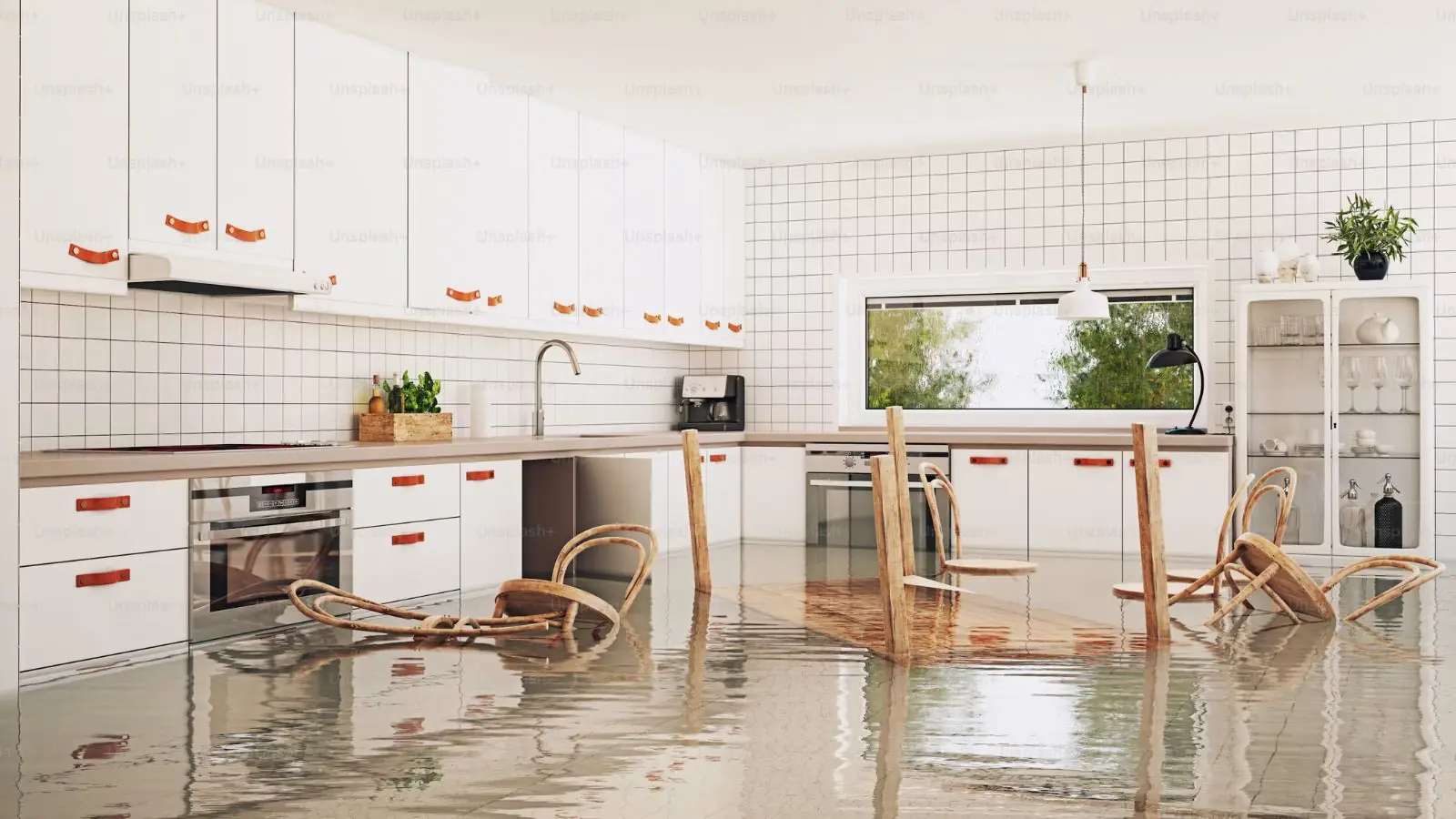
Two policies, one wet ceiling
Condo insurance can cover water damage, but which policy pays depends on what got wet and where the water came from. Sudden and accidental water, such as a burst pipe, is often covered. Long-term leaks and neglect often are not, and flood damage is usually excluded.
The twist for condo owners is that the building has its own insurance through the homeowners association. Your unit-owner policy sits alongside it. Each one covers different layers of the same room, so a single leak can touch both.
Where the master policy ends and yours begins
Most associations carry a master policy for the shared structure and common areas. What it counts as yours or the association's varies by policy and by the governing documents. Some masters cover the bare walls only, while others also cover original fixtures and finishes.
That is why the first job is reading two things: your HOA documents, often called the CC and Rs, and the master policy summary the association must be able to show you. Then compare them with your own policy so you know which gaps you carry yourself.
Who usually pays for what
A rough map of typical splits. Your documents decide the real answer, so treat this as a list of questions.
| What was damaged | Often handled by the master policy | Often handled by your own policy |
|---|---|---|
| Shared pipes, walls and the building shell | Frequently, depending on the documents | Usually not |
| Drywall, paint and flooring inside your unit | Sometimes, if the master covers original finishes | Often, if the master stops at bare walls |
| Cabinets, upgrades and improvements you installed | Rarely | Often, under the building property part of your policy |
| Furniture, clothing and electronics | No | Yes, when the cause is covered |
| Hotel or extra living costs while the unit dries | No | Often, if loss of use is included |
| The association's deductible assessed to owners | No | Some policies include loss assessment coverage |
Ask your insurer about loss assessment coverage and what your policy says about the HOA deductible.
When the water comes from the unit above
A leak from a neighbor's unit is common in stacked buildings. The water drips through the ceiling and runs down walls into your living space. Your first steps are the same whoever caused it: stop contact with the water, photograph everything and report it.
Who pays often depends on where the failure started. If it began inside the neighbor's unit, such as an appliance hose, their policy may respond, and your policy may also pay for your losses. If it started in a shared pipe, the association's master policy is often involved. Tell your insurer, your HOA and the neighbor in writing, and let the adjusters sort out fault.
Do not wait for the argument to end
Drying cannot wait for a liability discussion. California's Department of Insurance advises taking reasonable steps to protect the property, and a policy may not pay for added damage that prompt steps would have prevented. Start emergency water removal and keep the paperwork moving in parallel.
Documents to gather before you call anyone
Pull these together while the crew is on its way. They shorten the back and forth later.
Condo claim file
- Your own policy declarations page and the unit-owner endorsements
- The HOA governing documents, including the insurance and repair responsibility sections
- The master policy summary, deductible and the association manager's contact
- Dated photos and video of the source, the ceiling, the walls and the floors
- A list of damaged belongings and any improvements you installed
- A log of every call and email with the HOA, the neighbor and your insurer
- Written, line-item repair bids from licensed contractors
Our 24/7 dispatch line sends a licensed and insured crew for extraction and drying. Call, and we will explain the scope in plain terms so you can brief your HOA and insurer.
Moving fast without hurting your claim
California's Department of Insurance advises that you do not discard damaged items or make extensive permanent repairs before the adjuster has had a chance to inspect. Photograph and list what is damaged first. Drying is not a permanent repair, so it should not wait.
Crews map the wet area with moisture meters and thermal cameras. Air movers and LGR dehumidifiers then dry the structure, which is often a few days depending on materials and conditions. Ask whether the company works to the ANSI/IICRC S500 water damage standard.
Once the structure is dry, rebuilding is a separate phase. Your documents settle who arranges water damage repair for drywall, flooring and finishes.
Questions to ask your HOA and your insurer
Ask the HOA: what does the master policy treat as the building and what as the owner's property, what is its deductible, and how is it charged back to owners? Ask your insurer: does my policy cover building property inside my unit, loss of use and loss assessment?
Write the answers down and keep them with your policy. If a claim is denied, California requires the denial in writing with reasons and a note about asking the Department of Insurance to review.
Owners in Pomona and Glendora ask the same questions, since the association structure works the same way across the area.
Condo ownership in La Verne: the numbers worth knowing
Census QuickFacts puts La Verne's median owner-occupied home value at 817,000 dollars for 2020 to 2024, with a 69.2 percent owner-occupied rate. At those values, finishes and upgrades inside a unit can add up, so confirm your own policy limit is in line with what you have actually installed.
The City of La Verne operates the local water utility, with customer service at (909) 596-8744 and no published water emergency line. In a shared building, shut your unit's valve if you have one, and ask the association manager about the building shutoff for common lines.
City groundwater measured 351.7 ppm hardness in the 2025 water quality report, and purchased water from Three Valleys Municipal Water District measured 97 ppm. Both reach homes, so hard-water scale on fixtures is worth watching in your unit.
Source: U.S. Census Bureau QuickFacts for La Verne city, and the City of La Verne 2025 Water Quality Report.
Condo water damage insurance questions
It may cover the building structure and sometimes original finishes, but it varies. Read the governing documents and ask the association for the master policy summary. Your own policy fills the gaps.
It depends on where the failure began. A leak inside the neighbor's unit may involve their policy, and a shared pipe may involve the master policy. Report to your insurer, the HOA and the neighbor in writing.
Yes, in most cases. California's Department of Insurance advises reasonable steps to protect property and keeping receipts. Photograph the damage first and avoid permanent repairs or discarding items until the adjuster can inspect.
It is an optional piece of some unit-owner policies that helps with a share of a loss the association charges to owners. Ask your insurer whether yours includes it and what the limits are.
Flood damage is usually excluded from standard policies and needs separate flood coverage. Ask your insurer and your HOA what applies to the building and to your unit.
The City of La Verne water utility handles supply questions through customer service at (909) 596-8744, though it publishes no emergency line. For leaks inside the building, shut the valve, then contact the HOA manager.